


Posted on 28 Tháng 4 - 2025
DOSAGE FORMS OF MEDICINE

Ypharco Healthcare

28.04.2025


In today’s context, where health has become everyone’s top priority, pharmaceutical products are gaining more attention. To ensure consumers use the correct product, understanding different dosage forms is essential. This knowledge not only improves the effectiveness of medication use but also provides valuable insights into modern pharmaceutical formulation technologies. This article will provide detailed information […]
In today’s context, where health has become everyone’s top priority, pharmaceutical products are gaining more attention. To ensure consumers use the correct product, understanding different dosage forms is essential. This knowledge not only improves the effectiveness of medication use but also provides valuable insights into modern pharmaceutical formulation technologies.
This article will provide detailed information about the most common dosage forms and their practical applications in everyday life.
1. What Is a Dosage Form?
A dosage form refers to the physical form and method by which a pharmaceutical product is formulated and manufactured, with the goal of making it convenient for users, suitable for specific target groups, and optimized for treatment outcomes and cost-effectiveness. Each dosage form has its own advantages, disadvantages, and specific applications. Understanding them helps differentiate one from another and guides proper storage under appropriate conditions.
The final dosage form is the end product of the pharmaceutical formulation process—at this stage, the medication has taken its intended shape, offers therapeutic effect, and ensures safety according to the prescribed dose.
2. Dosage Forms Available at Ypharco Healthcare
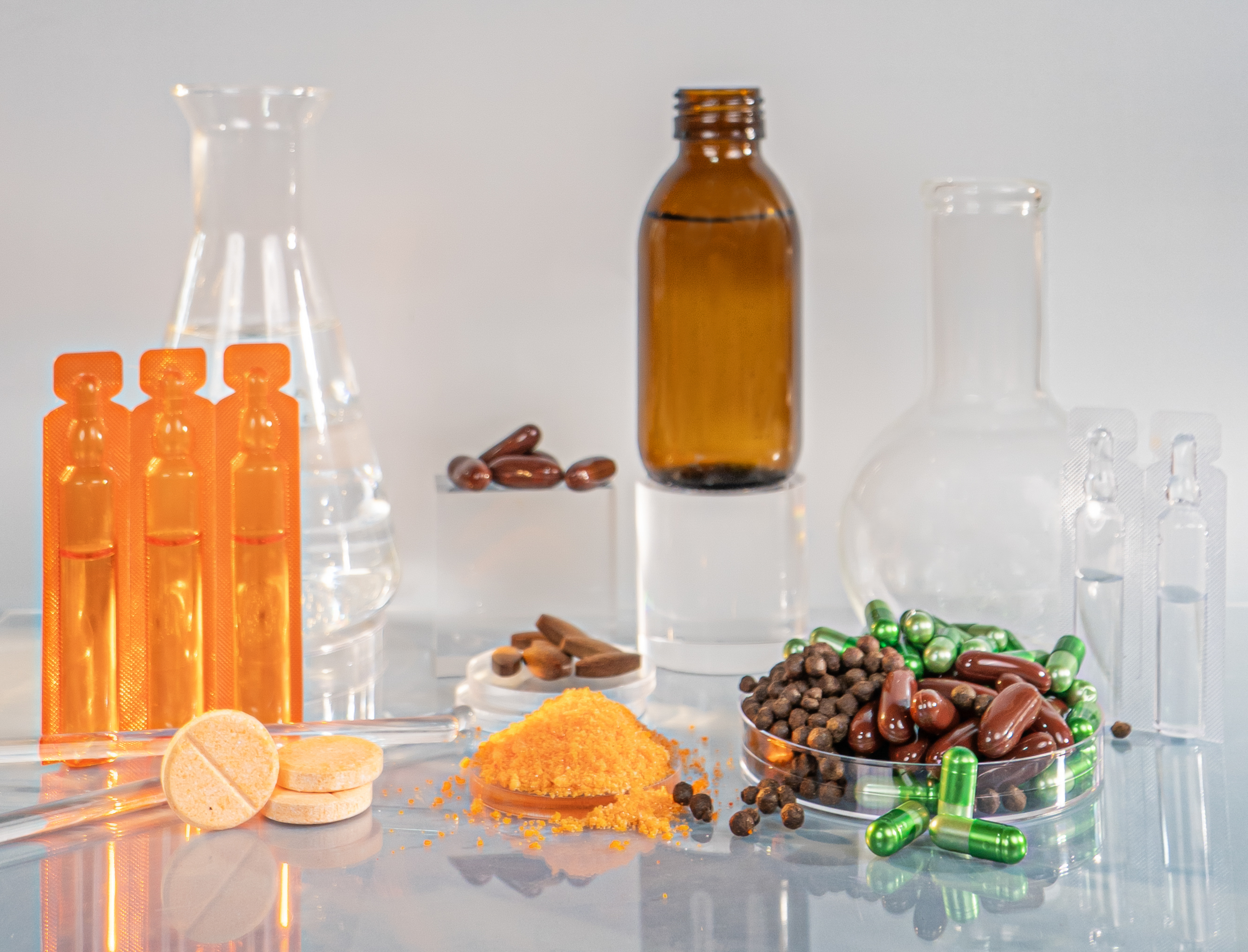
There are many dosage forms available on the market, along with various ways to classify them. Below are some of the most common and easy-to-understand categories of dosage forms currently offered by Ypharco Healthcare.
Tablet Form
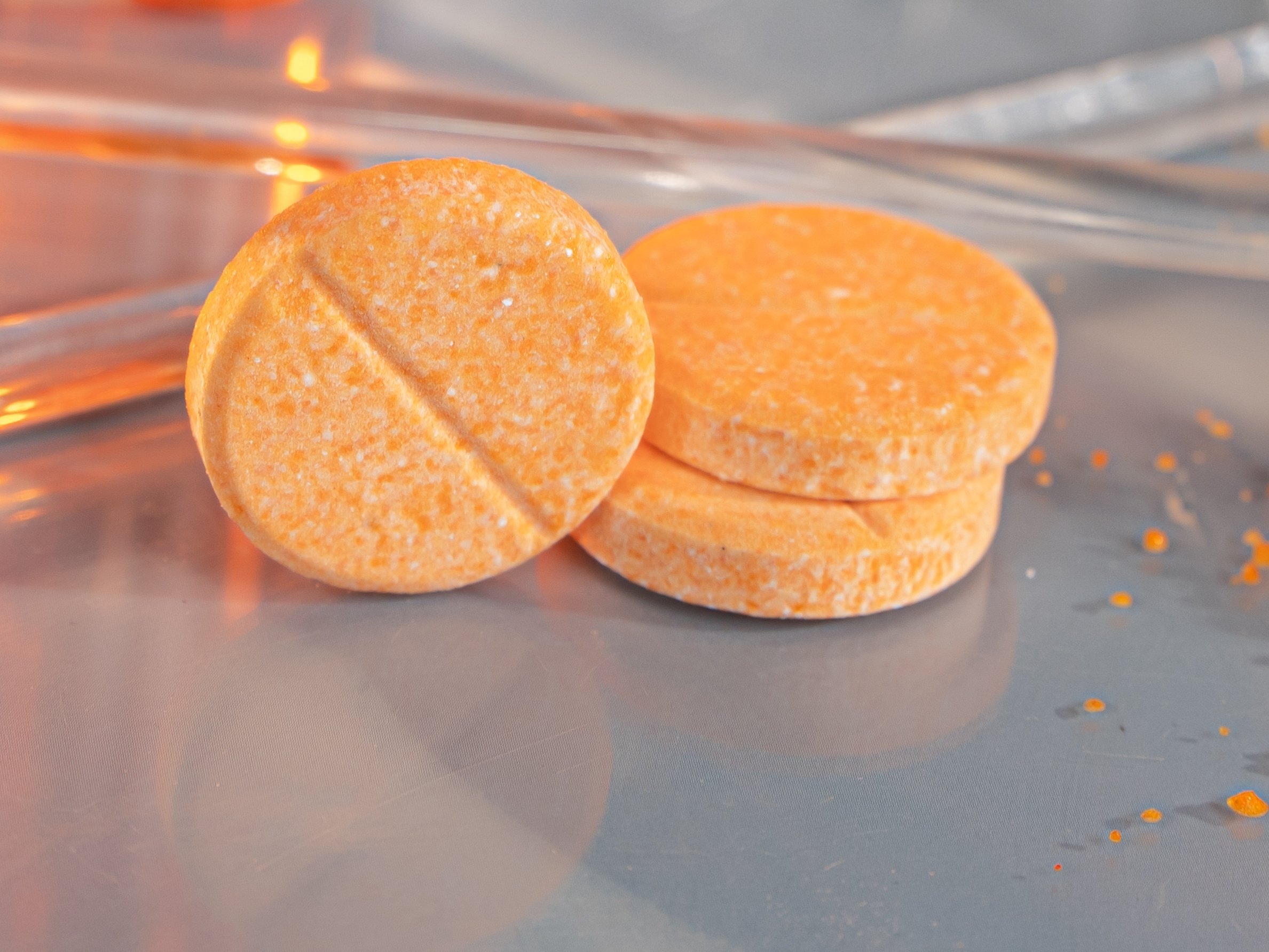
Tablets are the most common and widely used dosage form today. In terms of usage, they offer several advantages: each tablet typically contains a precisely measured single dose, the solid form is compact and easy to handle, and compression allows for convenient packaging and long shelf life because the drug substance is contained in a solid mass, it is less exposed to environmental factors, contributing to better stability. Additionally, product names or identification codes can be imprinted directly onto the tablet surface for easy recognition.
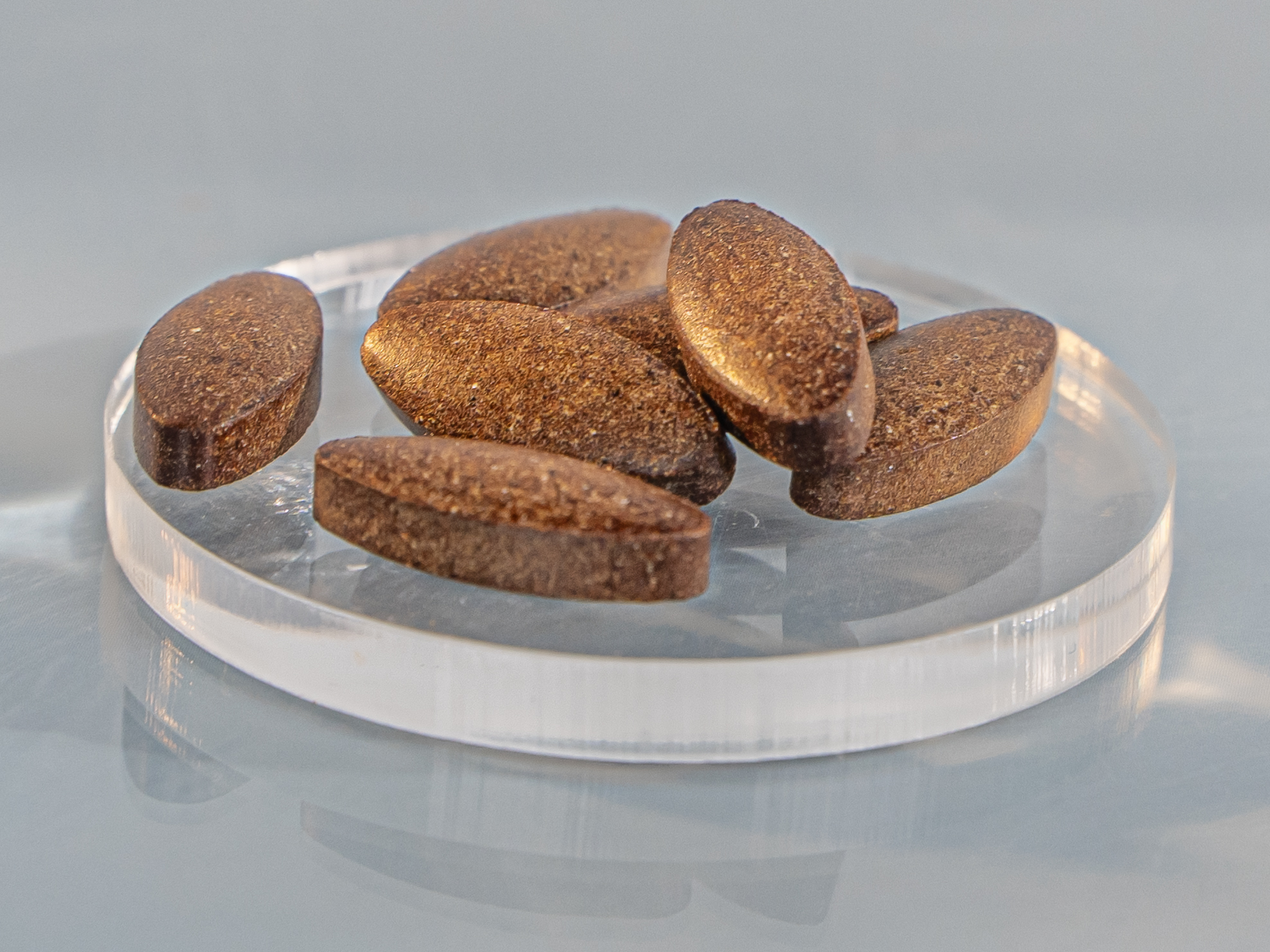
Advantages:
- Versatile usage: Tablets can be swallowed, chewed, dissolved in the mouth, or mixed with water to create a solution or suspension for oral administration.
- Combination of multiple active ingredients, tablets can incorporate several active substances and help mask unpleasant tastes, as compression with excipients reduces flavor intensity. Additionally, film-coating technologies enhance appearance and further minimize undesirable taste.
- Advanced protective technologies: Tablets can be coated to resist moisture, dissolve only in the intestine (enteric coating), or apply controlled-release systems to prolong the effect or target the drug’s action to a specific site.
- Cost-effective for large-scale production: From a manufacturing perspective, tablets are well-suited for mass production, helping reduce overall product costs.
Limitations:
- Difficult to use for certain patients: Tablets may be hard to administer, especially for unconscious patients, young children, or the elderly.
- Not suitable for all active ingredients: Not all drug substances can be formulated into tablets. The drug’s effectiveness may be influenced by the conditions and characteristics of the gastrointestinal tract.
- Potential impact on active ingredient stability: Depending on the manufacturing technology, the stability of the active ingredient can still be affected by various factors during the compression process, such as pressure, moisture, heat, and excipients.
Pill
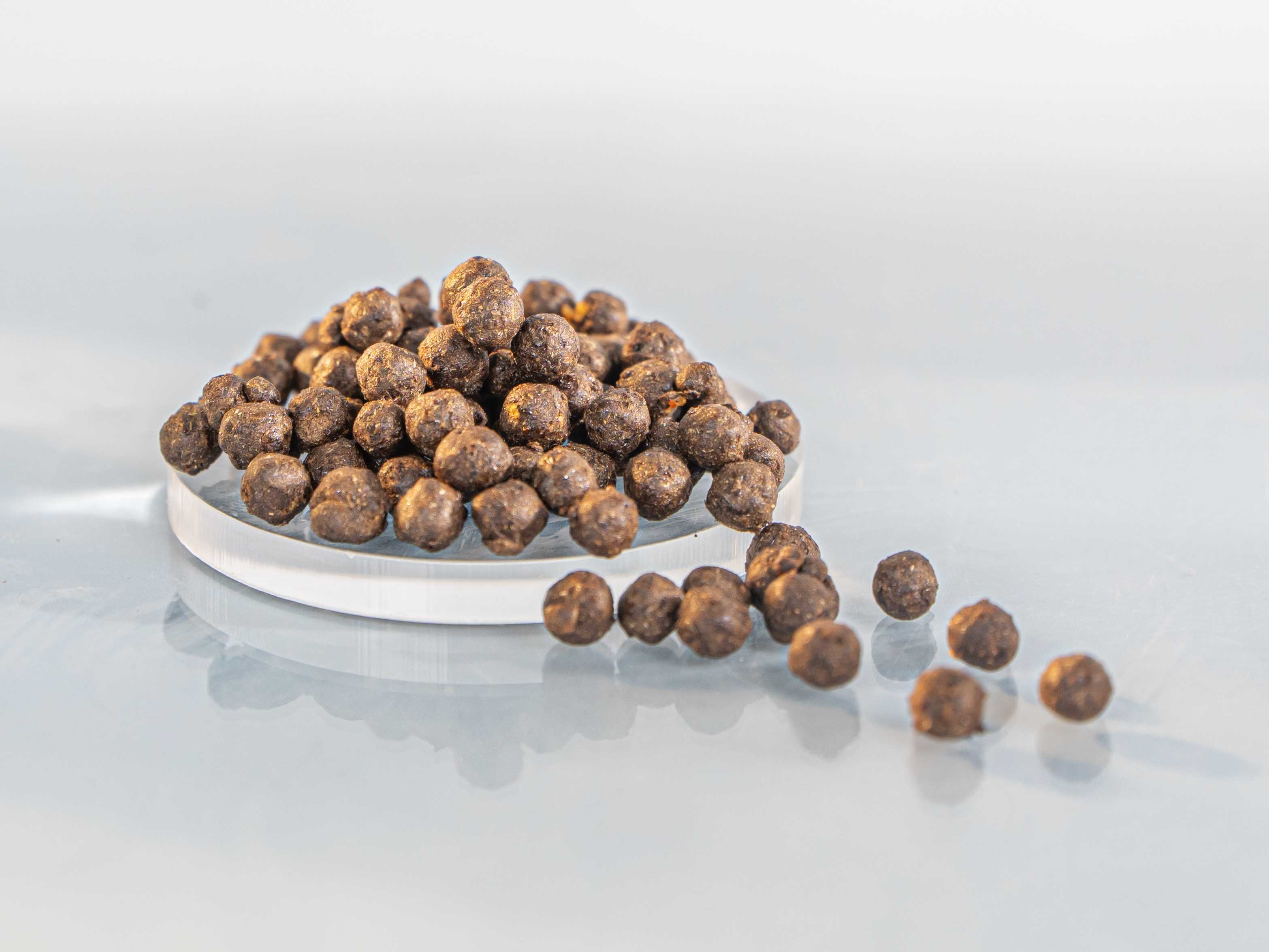
Pills (commonly referred to as round pellets) are solid spherical dosage forms prepared by combining powdered active ingredients, herbal materials, or herbal extracts with excipients in specific proportions. They are intended for oral administration. This round form is most commonly seen in traditional medicine or herbal dietary supplements.
In addition to the general advantages of solid dosage forms—such as stability of active ingredients, minimal degradation, ability to combine multiple ingredients, and compact size for easy storage and transport—pill forms can also incorporate coating technologies to mask unpleasant taste, protect the active substances, or target drug release to specific sites.
Pills often contain essential nutrients such as vitamins, minerals, and amino acids. They help nourish internal organs, enhance overall health, support anti-aging processes, and promote longevity.
Limitations:
- Difficult to standardize quality: One of the main drawbacks of pill form is the significant variability in weight, making it hard to ensure uniform quality. This is especially true for herbal-based pills, where the exact active compounds may not be fully identified, making quality evaluation more challenging.
- High production cost: The manufacturing process for pills is often complex and time-consuming, requiring specialized equipment and materials. As a result, the cost of pill-form products is generally higher than that of other dosage forms.
- Requires time to be effective: Pills are typically formulated based on traditional medicine principles and must be taken in specific doses over a set period to produce results. They are not designed for immediate effect but rather require patience and consistency in use.
- May cause allergies or drug interactions: Due to the presence of various herbal ingredients, plant extracts, and essential oils, pills may cause allergic reactions or interact with other medications, especially in individuals with known sensitivities or those currently taking other drugs.
Capsule Form (Hard Capsules – Soft Capsules)
Capsules are categorized into two types:
Hard capsules are designed to absorb water and dissolve quickly in the body, making them easier to swallow compared to taking raw powder or granules directly. They are commonly used to contain active ingredients in powder or granule form.
→ Hard capsules: Their bioavailability depends largely on the filling characteristics. Factors that may affect drug absorption include particle size of the active ingredient, types of excipients, the equipment and method used for filling, and the powder’s porosity.
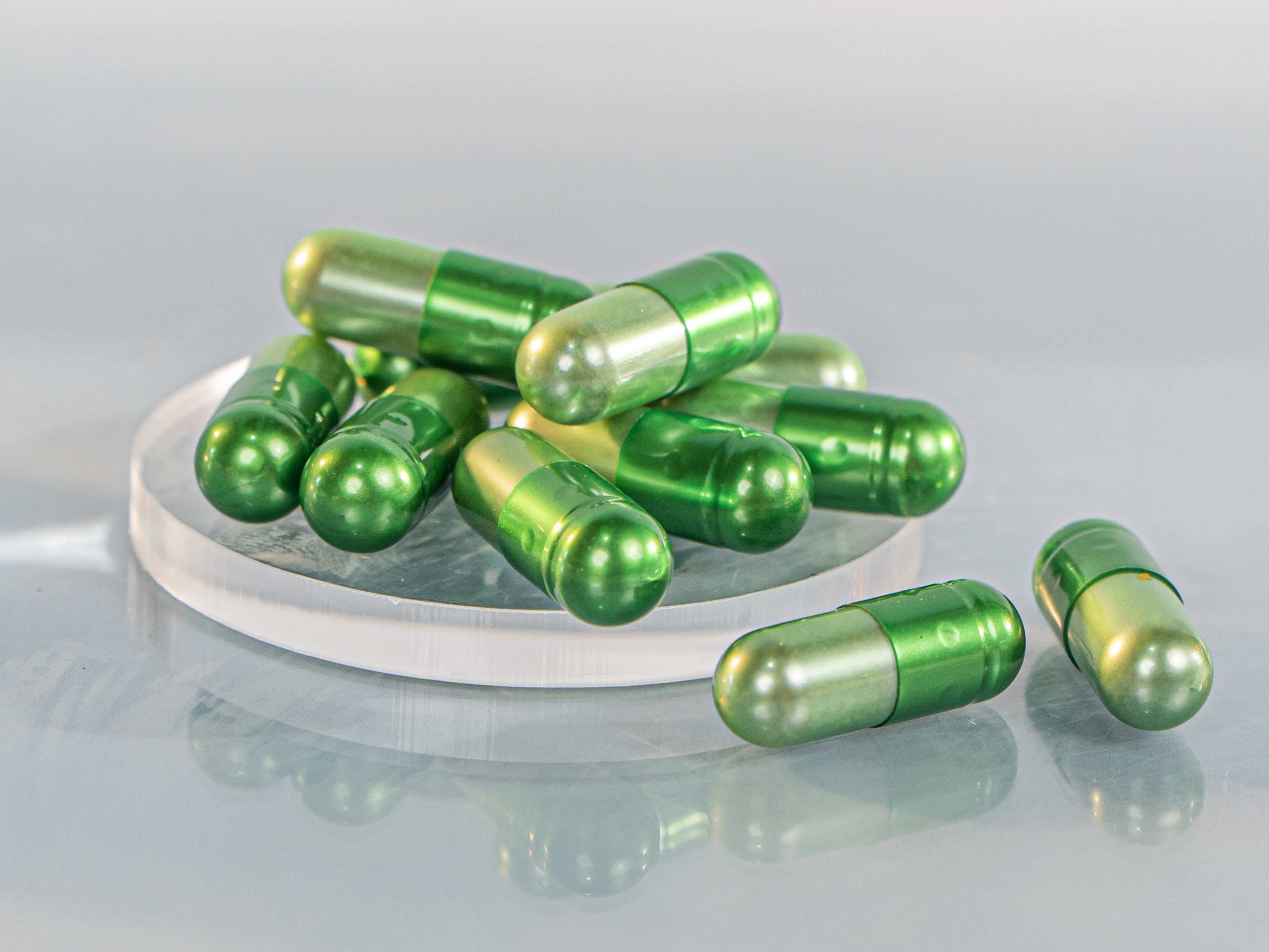
(Hard Capsules)
Soft capsules have a seamless, flexible outer shell. They are produced through a process that simultaneously forms, fills, and seals the capsule using a soft gelatin-based shell. The softness and elasticity of the capsule depend on the type and concentration of gelatin used in the formulation.
Soft capsules are commonly used to contain active ingredients in the form of suspensions, emulsions, or solutions.
→ Soft capsules: Rapid disintegration and high bioavailability.
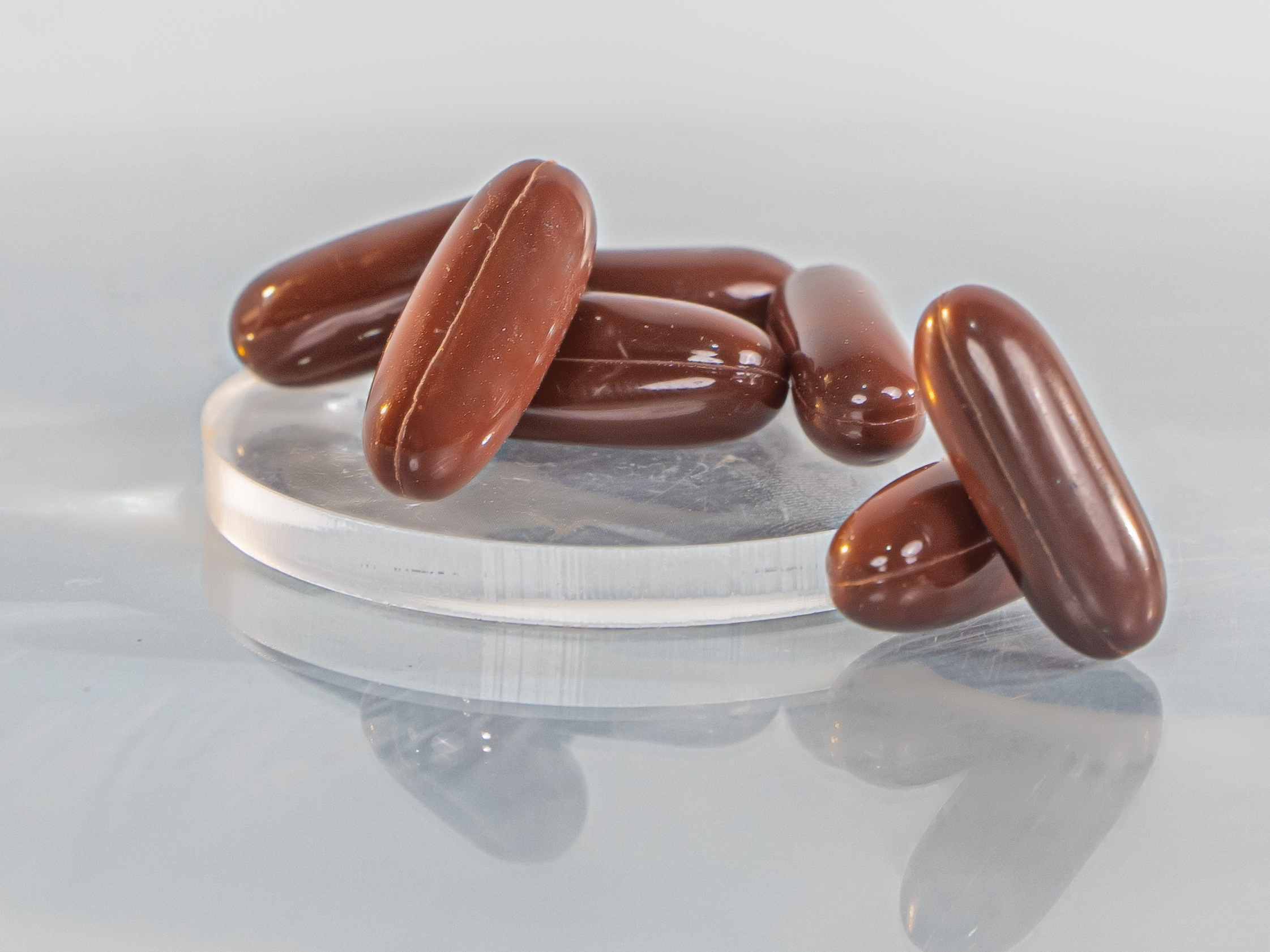
(Soft Capsules)
Advantages:
- In terms of use, functional food capsules have the advantage of being easy to swallow due to their streamlined shape and smooth capsule surface; they are convenient to use and easy to store and transport because they are pre-dosed and compactly packaged like tablets.
- In terms of production, capsules are easy to scale up for large-scale manufacturing with high productivity. They have high bioavailability because the formulation is usually simple with fewer excipients and less processing impact compared to tablets; the capsule shell typically dissolves easily to release the active ingredients.
However, for active ingredients that irritate the digestive tract, encapsulation is not recommended because once the capsule shell breaks, it can release a sudden high concentration of the active ingredient at the release site, causing strong irritation at that point.
Granules and Powder Forms
Powder is a dry, loose solid dosage form made from one or more kind of powders (active ingredients or herbal extracts) with defined particle sizes, mixed evenly into a homogeneous blend, used for oral or external application.
Granules are a solid dosage form typically made from active ingredient powders and binders to create small porous particles with diameters of 1–2 cm. Granules are especially suitable for children.
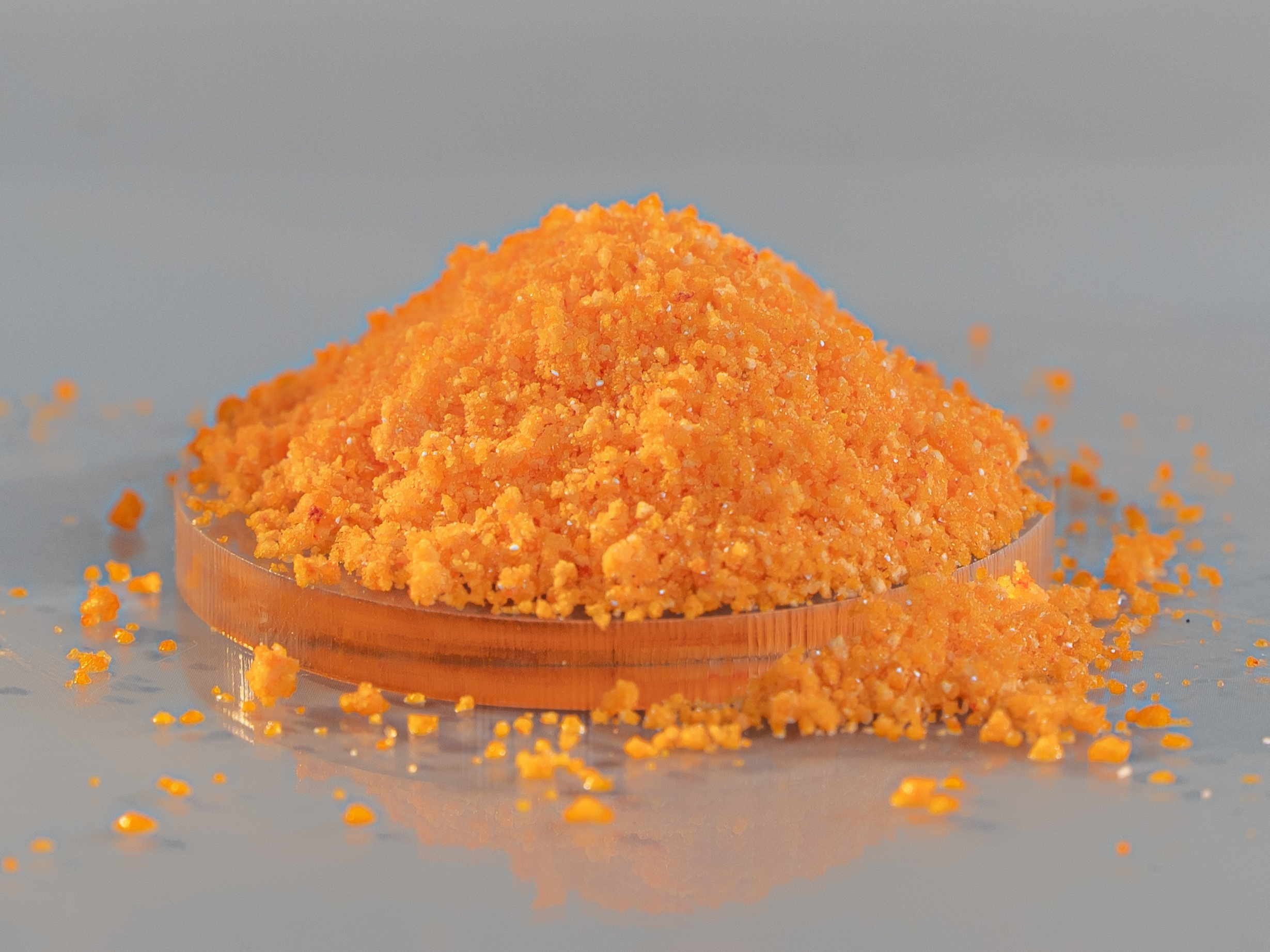
The main advantages of this form are simple technology without complex requirements. Being solid forms, they are easy to package and transport. They have fewer interactions and incompatibilities compared to liquid forms, allowing many active ingredients to be combined in the same formulation. The manufacturing process is not affected by heat, moisture, or compression forces, making the products relatively stable during storage; with a long shelf life, they are suitable for active ingredients that are prone to hydrolysis, oxidation, or degradation during production.
Additionally, due to their large surface area and the absence of compression force and binders, they dissolve and release active ingredients more easily, resulting in higher bioavailability than other solid dosage forms. However, the large surface area also makes them prone to moisture absorption, so packaging must have good moisture resistance. Some sensitive active ingredients require vacuum-sealed packaging to limit their exposure to air and moisture.
Solution Dosage Form
Liquid solution is a dosage form in which one or more active ingredients or herbal extracts are dissolved in water as the solvent. Since functional foods are taken orally, sweeteners and flavoring agents are often added to Liquid solution solutions to create a pleasant taste and aroma, making the product easy to consume. Therefore, Liquid solution solutions are commonly used in the formulation of functional food products in liquid form.
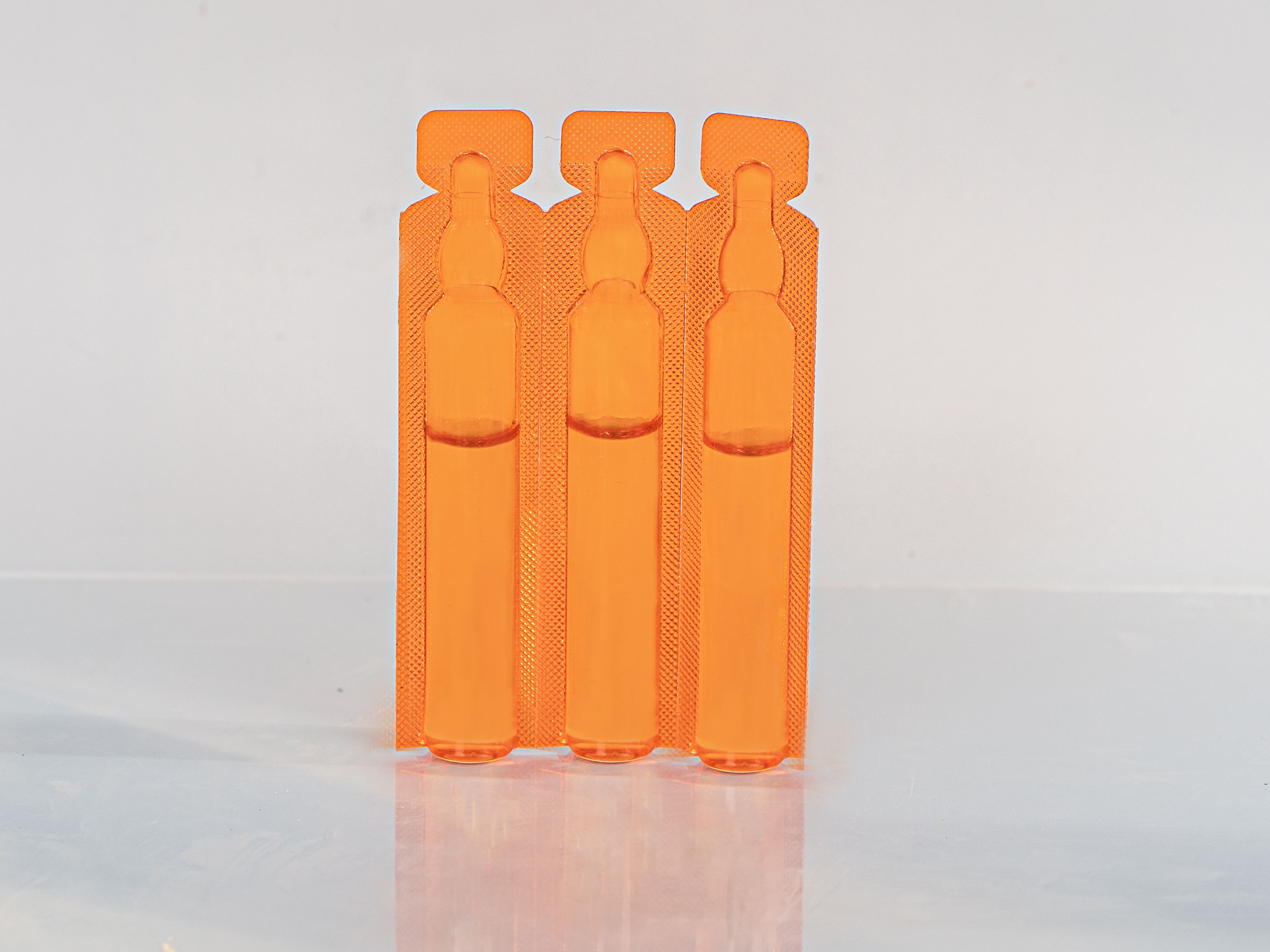
Syrups have a similar nature; however, syrups are usually thicker and more viscous than Liquid solution solutions because they contain a high sugar content of about 56-64%. Syrups are prepared by dissolving active ingredients into a simple syrup (a solution with a high sugar concentration of 165 g sugar per 100 g water without active ingredients) or by dissolving sugar into an active ingredient solution.
Functional foods in solution form have the advantage that the active ingredients are already dissolved in the product, leading to faster absorption compared to solid forms, and they do not cause irritation upon contact with mucous membranes. The use of solution forms is also very convenient, especially for children, elderly people, and those who have difficulty swallowing.
However, functional foods in solution form usually have poor stability because hydrolysis, racemization, complex formation, incompatibilities, and the growth of bacteria and molds occur more rapidly and easily, resulting in the degradation of active ingredients and product spoilage.
3.Which dosage form should be chosen? Which dosage form provides the best effectiveness?
The formulation of medicines into various dosage forms plays a crucial role in the pharmaceutical industry, offering many outstanding benefits to users and ensuring optimal treatment effectiveness. Each dosage form—such as tablets, capsules, injections, liquids, and soft gels—is designed to meet specific patient needs and different medical conditions.
- For elderly people, children, or those who have difficulty swallowing, the priority is to use products with small, soft structures like capsules, pills, or solutions.
- For products aimed at supporting the improvement of diseases that require a high content of active ingredients, the safest and most optimal choice is usually tablets.
In summary, selecting a dosage form is an important decision that must be based on many factors, from the nature of the active ingredient to the needs and abilities of the consumer. Some active ingredients are more effective in solid form, while others are safer in liquid form. Each dosage form has its own advantages and is more suitable for specific situations.
You will receive support and consultation from experienced specialists at the Ypharco Healthcare factory during the research and formulation development process.
Moreover, with a GMP-standardized production system and machinery, Ypharco Healthcare helps you optimize and minimize the drawbacks of each dosage form to best suit your needs, ensuring the quality and effectiveness of the product throughout its usage.
Dosage forms are not only diverse but continuously evolving to meet the increasing treatment demands of patients. Understanding the different dosage forms helps us use medicines more effectively and safely. We hope this article has provided you with useful information about dosage forms and their applications in treatment.

Contact consultant
We will contact you as soon as possible